Tony Rosenthal
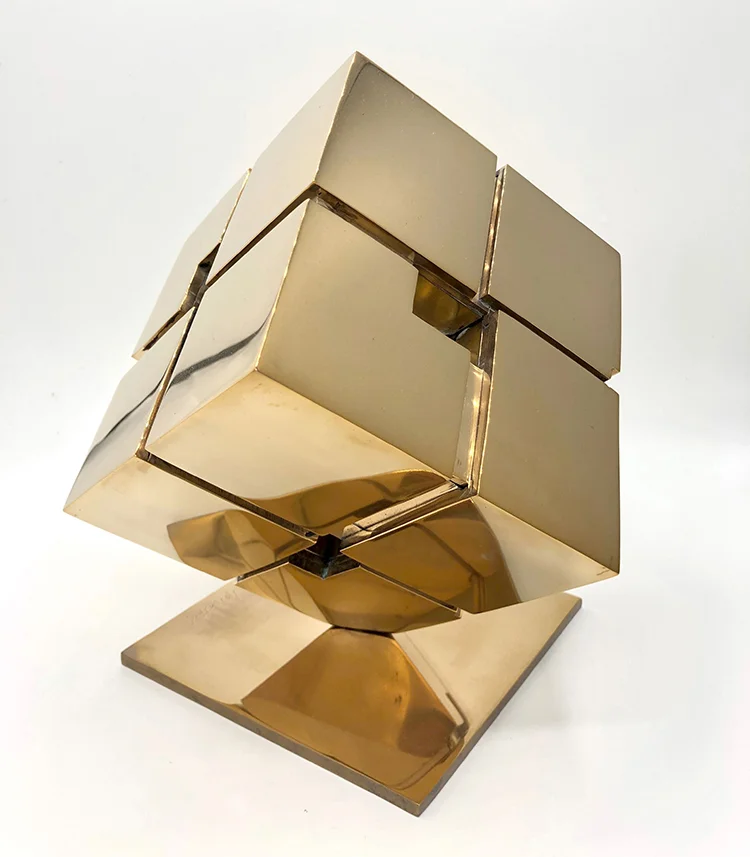
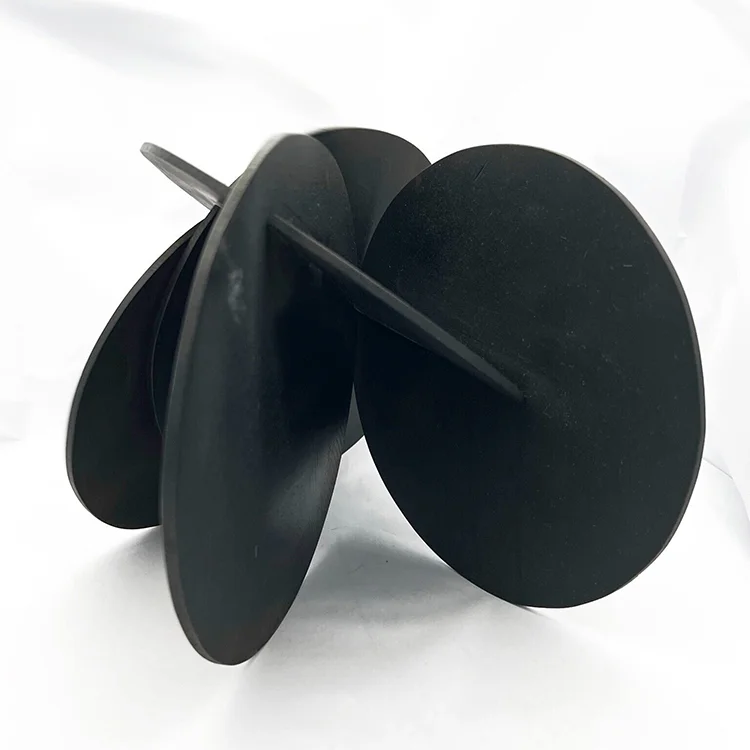
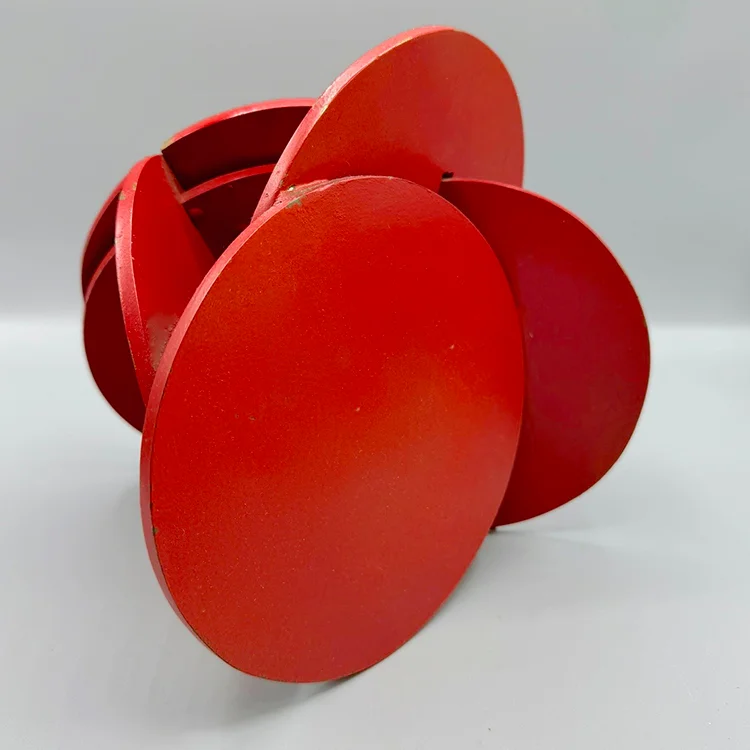
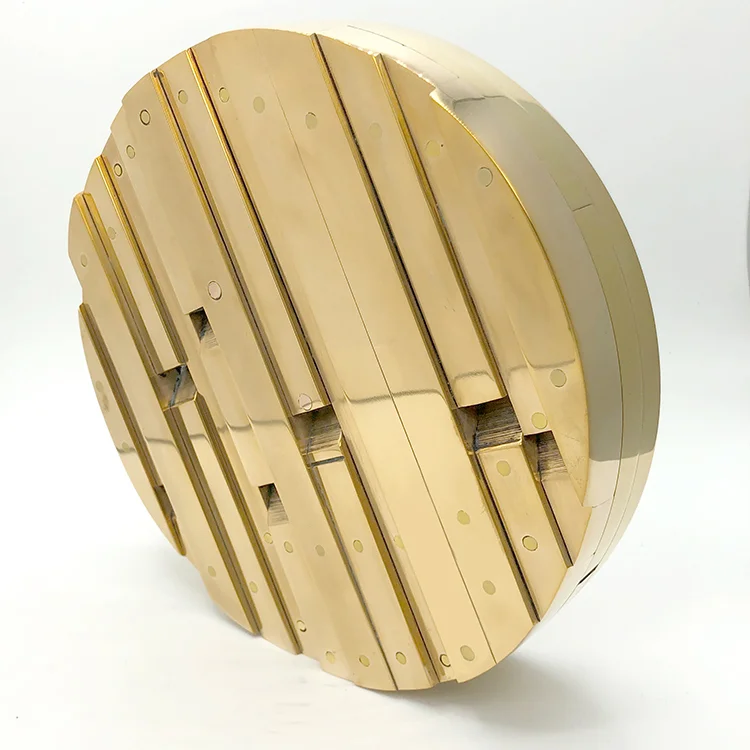
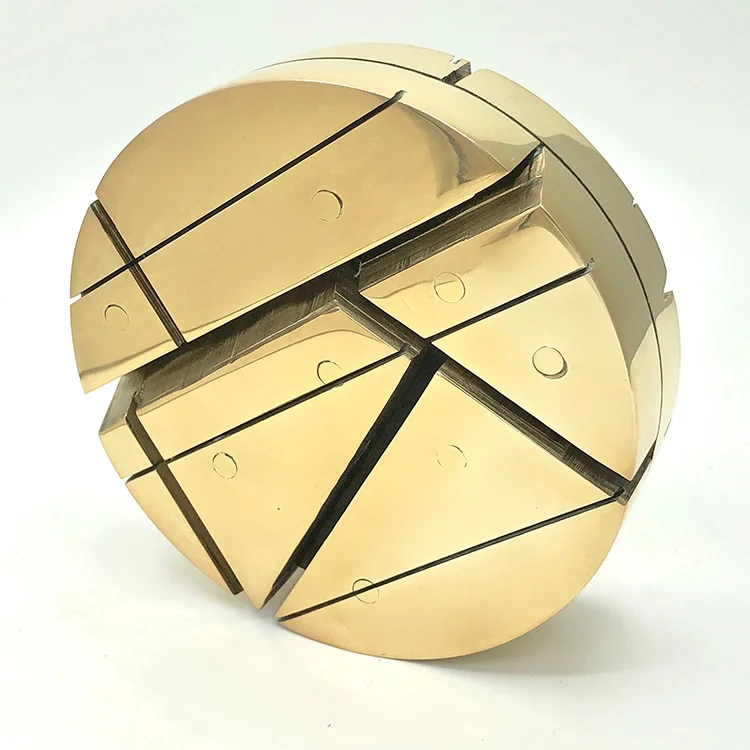
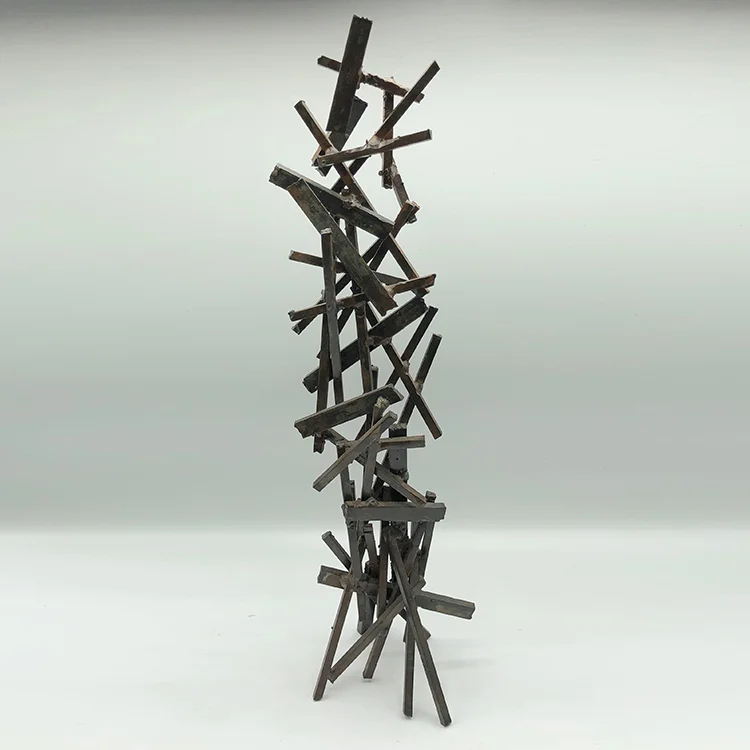
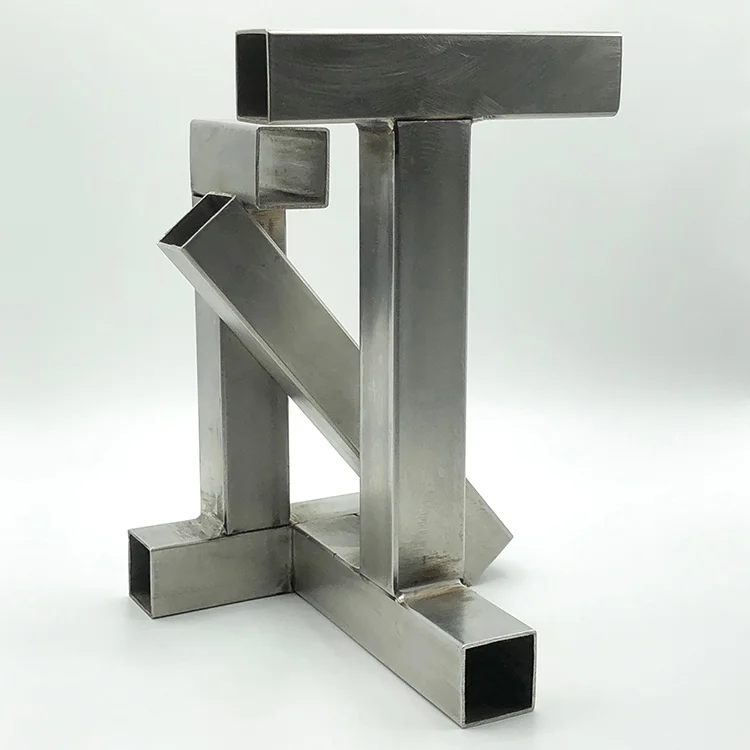
Joseph K. Levene Fine Art, Ltd. is privileged to present A focused selection of unique Tony Rosenthal maquettes—original sculptural models that trace the artistic development of one of the 20th century’s most influential sculptors of public art. These unique maquettes were originally created by Tony Rosenthal early in the creative process for many of his most significant commissions and reflect the physical and conceptual evolution of works that have become enduring public landmarks.
TONY ROSENTHAL UNIQUE MAQUETTE SCULPTURES
Each maquette is a fully resolved sculptural work in its own right, capturing the energy, balance, and movement that define Rosenthal’s larger public sculptures on a more intimate scale. For collectors, they provide a rare opportunity to engage directly with the artist’s practice and with the formative explorations behind works seen around the world.
Tony Rosenthal, widely recognized as a leading figure in postwar American sculpture, was described by art historian Professor Sam Hunter as “a public art legend.” Acquiring a Rosenthal maquette offers a uniquely personal connection to the legacy of an artist whose vision continues to shape the public realm.
"I like to make public sculptures in which people can participate, that have a functional purpose as well as an esthetic one" Rosenthal told Grace Glueck, art reporter, The New York Times June 27, 1980. After creating A Nubian Slave, 1939, a 14’ plaster figurative sculpture commission for the Elgin Watch Building at the 1939 New York World’s Fair, Tony Rosenthal embarked on a storied 70 year public art career, creating an arc of public art, deco inspired sculpture in the 30’s and 40’s, figurative sculpture during the 50’s and abstract minimalism for the remainder of his career.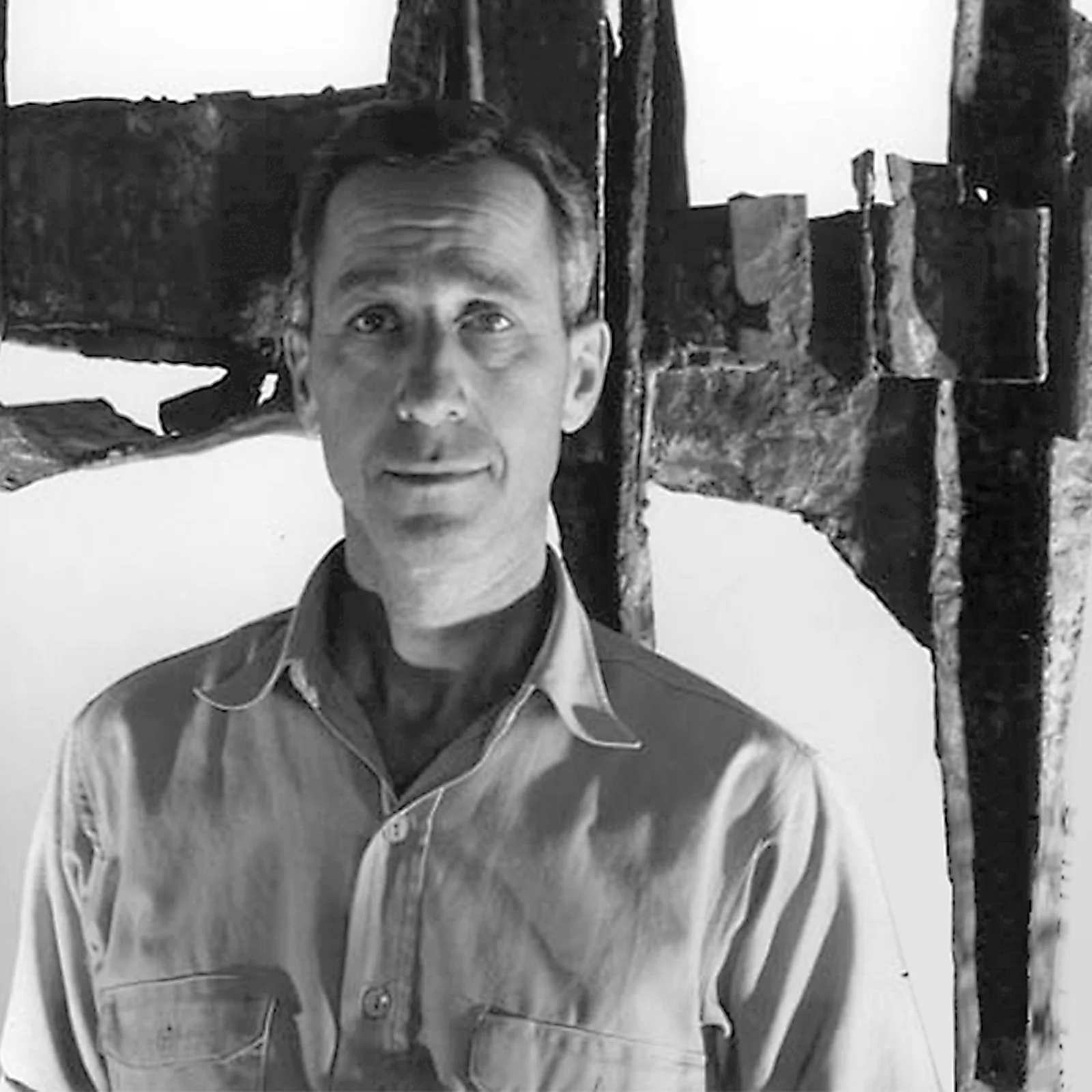
Tony Rosenthal's Alamo, 1967, the monumental 15' Cor-Ten steel sculpture, also known as the Astor Place Cube, is without dispute Rosenthal's best known and beloved public art sculpture, considered a New York and public art landmark, was first installed as part of Doris C. Freedman's Sculpture in Environment installation, sponsored by New York's administration of recreation & cultural affairs.
Not only was Rosenthal's Alamo, 1967 the first contemporary sculpture purchased by New York City, it was the first Rosenthal public art sculpture not commissioned by an architect. Donald Lippincott, owner Lippincott Foundry, contacted Rosenthal after he saw Ahab, 1966, a 10' geometric brass sculpture Rosenthal hand-cut with a band saw, created for the 1966 Whitney Annual. Unlike most sculptors of metal who used fabricators for larger sculpture, Rosenthal had up until that point exclusively created all metal sculptures himself, even larger works of 20' and 30'. Fortuitously Lippincott asked Rosenthal if he wanted to enlarge the scale of his sculpture beyond what he could accomplish in his studio.