Collector’s Guide to Prints
Joseph K. Levene Fine Art
A Collector’s Guide to Fine Art Prints: How to Buy, Evaluate, and Collect Prints
Fine art prints hold an important place in the art market, offering collectors the opportunity to acquire works by major artists while exploring the techniques, experimentation, and imagery central to their artistic development. Although prints can be more accessible in price than paintings or sculptures by the same artists, their value depends on factors such as rarity, edition, condition, provenance, and market demand. From Andy Warhol’s iconic Pop Art screenprints to Jasper Johns’s technically inventive prints and Roy Lichtenstein’s bold graphic compositions, prints are an essential part of the history of modern and contemporary art.
Yet buying a print requires more than recognizing an artist or selecting an appealing image. Edition size, printing technique, paper, signature, provenance, authenticity, and condition all influence the significance and value of an individual impression. Two prints bearing the same image may differ considerably in quality, preservation, desirability, and market price.
For collectors considering their first purchase, as well as experienced buyers building a specialized collection, understanding these distinctions is essential.

1. What Is an Original Fine Art Print?
A fine art print is a work created through a printmaking process that transfers an image from a matrix or printing surface onto paper or another material. Depending on the technique, the matrix may be a stone, metal plate, woodblock, screen, or another prepared surface.
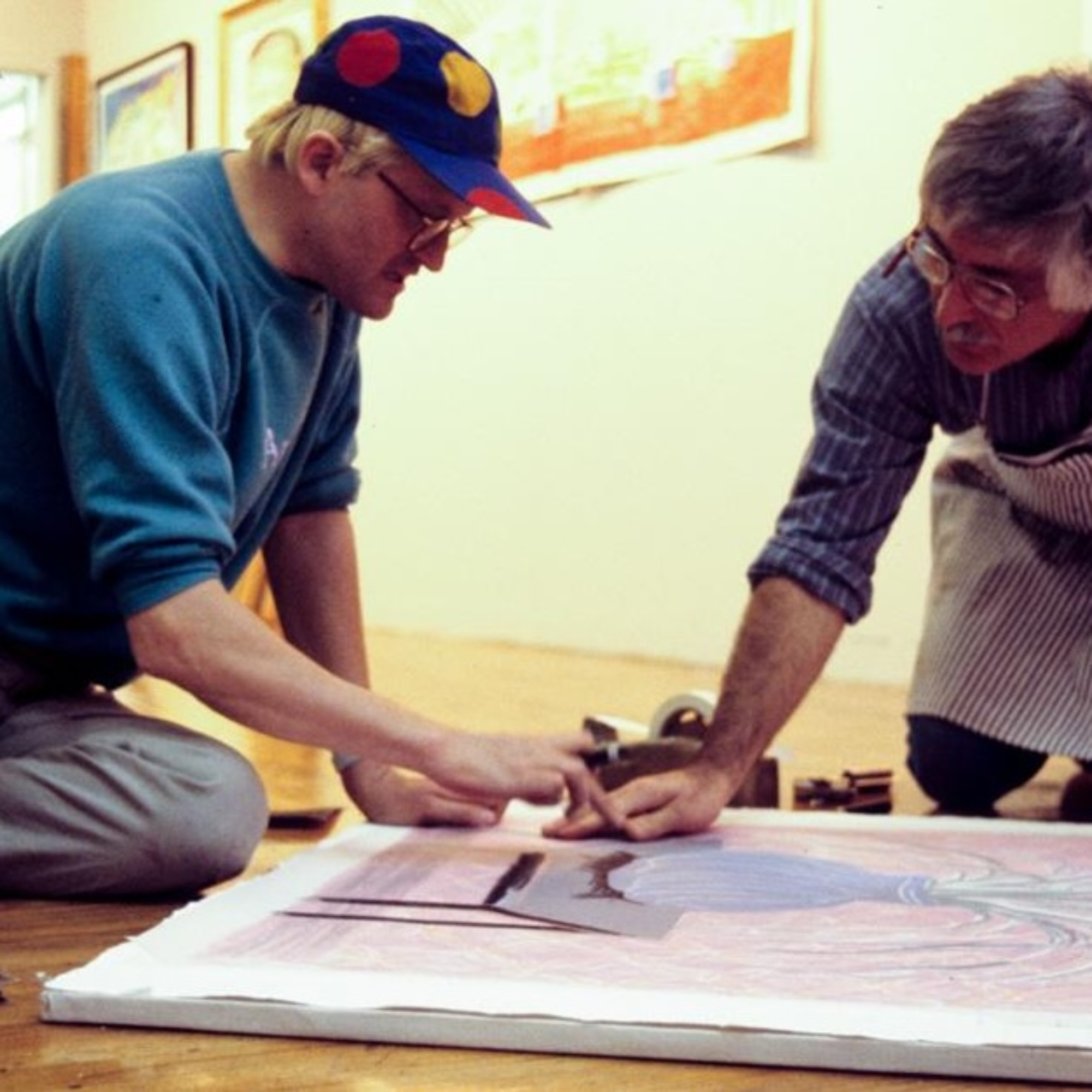
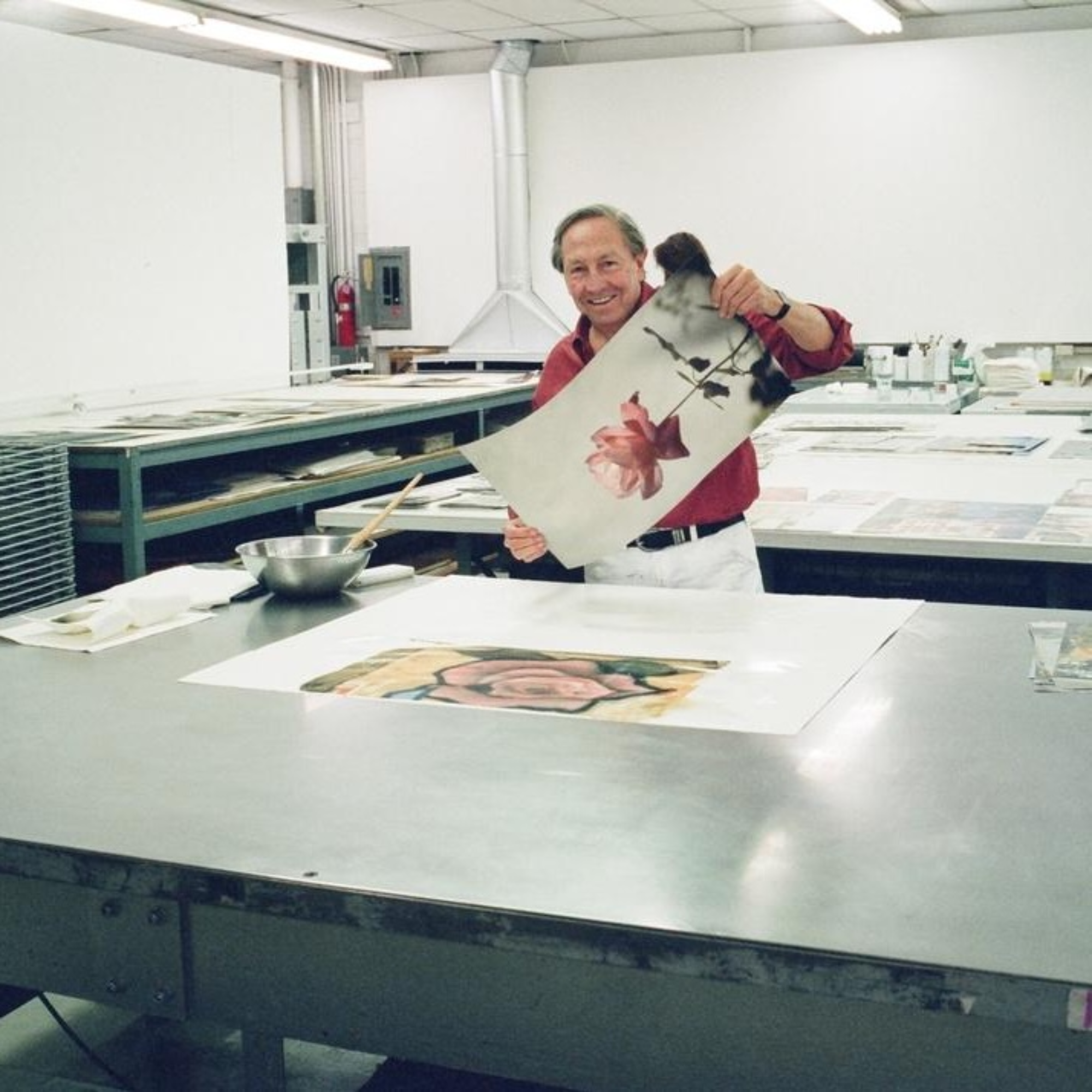
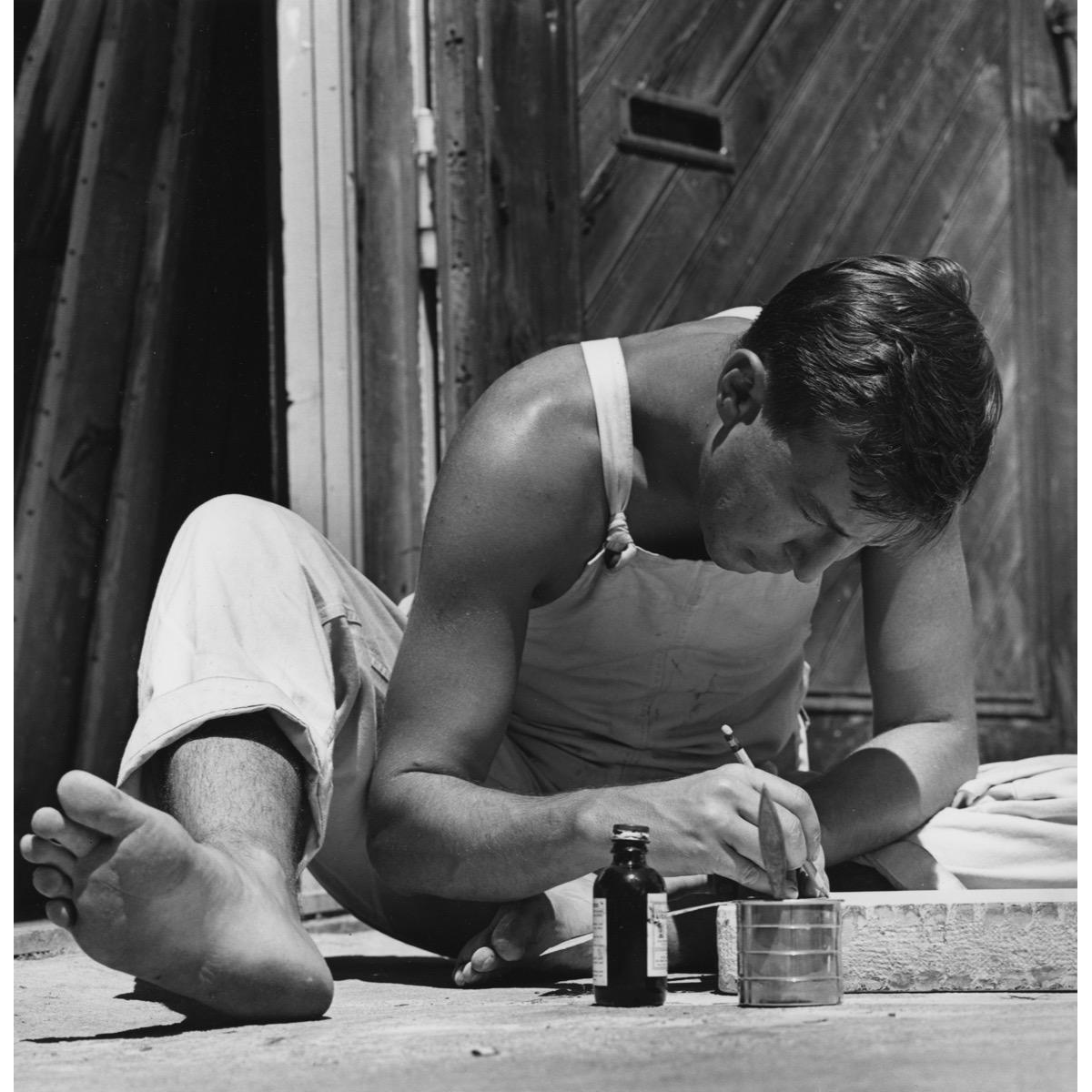
Unlike a painting conceived as a single, unique object, a print may be produced in multiple impressions. This does not make it a mere reproduction. Artists frequently work directly with master printers, experimenting with materials, color, texture, and composition to develop an image specifically for the medium.
The printing process can influence the final work as profoundly as the artist’s choice of subject. Jasper Johns, for example, returned repeatedly to familiar motifs—including flags, targets, numbers, and crosshatch patterns—using printmaking to reconsider their appearance and meaning. His prints are not simply substitutes for his paintings; they form an extensive body of work with its own artistic development.
The Walker Art Center’s exhibition guide An Art of Changes: Jasper Johns Prints, 1960–2018 documents how Johns used lithography, intaglio, and screenprinting to explore repetition, variation, memory, and visual perception across six decades.
2. Understanding the Major Printmaking Techniques
The medium used to create a print affects its appearance, texture, and character. Collectors should understand the basic distinctions between the principal techniques.
Lithography
Lithography traditionally involves drawing on a specially prepared stone or metal plate with a greasy medium. The surface is treated so that ink adheres to the image areas while water repels it from the non-image areas. The inked image is then transferred to paper under pressure.
Because lithography can accommodate drawing-like marks and subtle tonal variations, it has appealed to artists who want to retain the immediacy of working with pencils, crayons, and brushes.
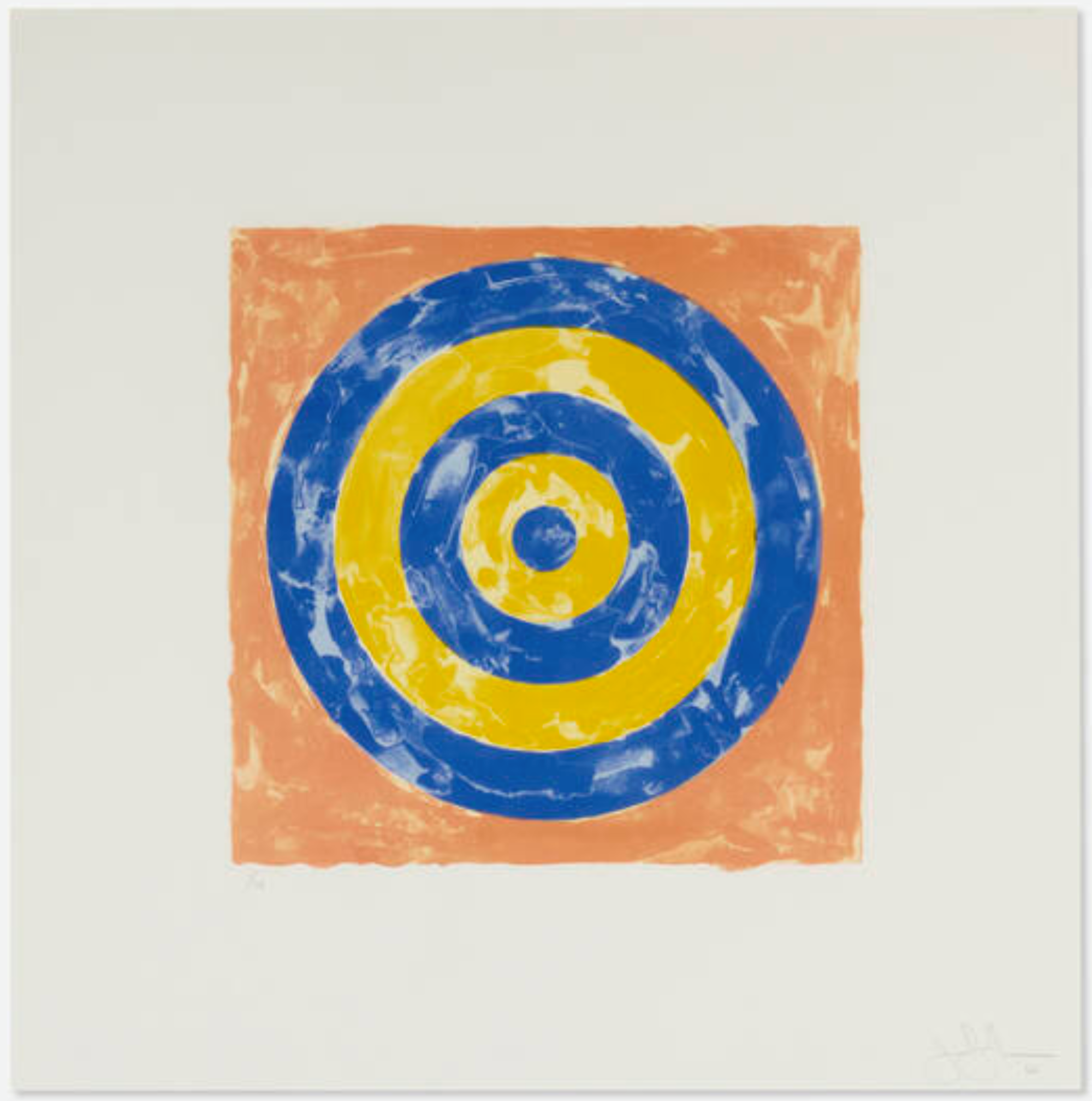
Pablo Picasso, David Hockney, and Jasper Johns are among the major artists who explored lithography. Johns’s early lithograph Target, 1960 marked the beginning of a printmaking career in which familiar symbols became subjects for continual experimentation.
Screenprinting
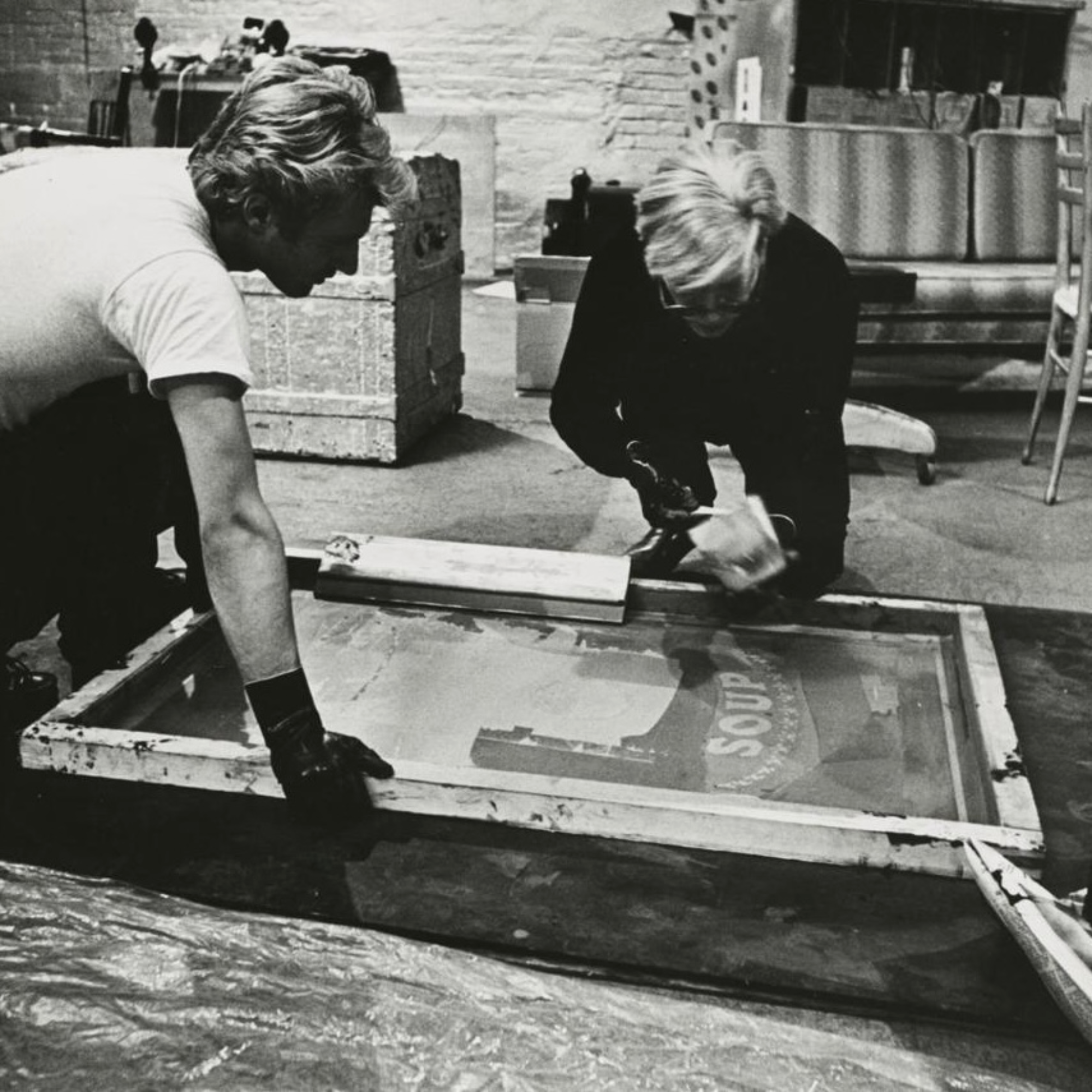
Screenprinting pushes ink through a fine mesh screen, using a stencil to determine where the ink reaches the paper. Different screens can be used to build up separate colors and layers.
The technique became particularly important to Pop Art because it could accommodate bold colors, graphic imagery, and visual references to commercial printing.
Andy Warhol used screenprinting to investigate celebrity, consumer culture, advertising, and the circulation of images. Roy Lichtenstein similarly drew on the visual language of commercial graphics while developing a distinctive artistic approach.
When purchasing a screenprint, collectors should examine the color, registration, surface, and overall condition of the impression, as well as its edition information and provenance.
Etching and Other Intaglio Techniques
Intaglio refers to printmaking processes in which ink is held in recessed lines or areas of a plate. Etching, engraving, drypoint, aquatint, and mezzotint are examples.
In etching, an artist draws through a protective ground on a metal plate, exposing selected areas to an acid bath. The resulting lines retain ink, which transfers to the paper when the plate passes through a press.
Intaglio can produce fine lines, rich tonal effects, and distinctive textures. Because different processes can be combined, a single print may incorporate several techniques.
Woodcut and Relief Printing
In a woodcut, the artist carves into a wooden block, leaving raised areas to receive ink. The inked surface is pressed against paper, producing the image.
Relief printing can create strong contrasts, simplified forms, and expressive marks. It is one of the oldest printmaking methods and remains relevant to artists working in both traditional and contemporary styles.
Why Technique Matters to Collectors
The medium is more than a technical detail in a catalogue description. It helps explain how the artist approached the image and what distinguishes the print from works in other media.
Collectors should also be aware that some works combine several techniques, incorporate hand-coloring, or include unusual materials. The precise medium and its relationship to the artist’s practice should be established before a purchase.
3. Edition Size, Numbering, and Artist’s Proofs
One of the most common questions about prints concerns edition size and the meaning of the numbers and inscriptions found on a sheet.
A numbered print marked 12/75, for example, is impression number 12 in an edition of 75. The number to the right of the slash identifies the edition size; the number to the left identifies the individual impression.
The edition number alone, however, does not establish authenticity, quality, or market value.
Artist’s Proofs and Other Proofs
Collectors may encounter several types of proofs outside the numbered edition:
- A.P. — Artist’s Proof: An impression set aside for the artist, generally corresponding to the regular edition.
- P.P. — Printer’s Proof: An impression retained for the printer.
- T.P. — Trial Proof: An impression produced while the artist and printer are developing the image.
- E.P. — Exhibition Proof: An impression used to test or explore a particular aspect of the work.
- H.C. — Hors Commerce: A proof traditionally designated for use outside normal commercial distribution.
- B.A.T. — Bon à Tirer: The approved reference impression used to guide the printing of the edition.
The exact meaning and significance of an inscription should be considered in the context of the artist, publisher, and particular work.
Proofs are not automatically more valuable than numbered impressions. Some trial proofs are especially desirable because they demonstrate a unique color combination. Printer’s proofs and Artist’s proofs may be substantially similar to the standard edition and command no particular premium.
Does a Smaller Edition Mean a More Valuable Print?
Not necessarily.
A smaller edition may contribute to scarcity, but value also depends on the importance of the image, the artist’s market, the date and quality of the impression, condition, provenance, and collector demand.
A print from a larger edition featuring a defining image may be more desirable than a rare proof of a less significant composition.
Collectors should evaluate edition information as one part of a larger assessment, rather than treating the edition number as a reliable predictor of price.
4. Signatures, Inscriptions, and Authentication
A signature can be important evidence when evaluating a print, but it should never be considered in isolation.
Artists have signed, initialed, stamp-signed, or otherwise marked their prints in different ways. Some editions were issued unsigned, and some portfolios were signed on a title page rather than on each individual impression. The absence of a handwritten signature therefore does not automatically make a work inauthentic or less desirable.
Conversely, a signature by itself does not establish that a print is genuine.
A responsible evaluation considers several factors together:
- The artist, title, date, and printing technique.
- The sheet and image dimensions.
- The edition size and numbering.
- The location and character of signatures or inscriptions.
- The paper, watermark, publisher’s mark, or printer’s blindstamp, where applicable.
- Comparison with documented examples and relevant catalogue raisonné entries.
- Provenance and any available supporting documentation.
A catalogue raisonné—a scholarly catalogue documenting an artist’s body of work—can be particularly valuable. Depending on the publication, it may record accepted works, printing details, edition sizes, paper types, signatures, and distinguishing characteristics.
Such references must be used carefully. An apparent match in title or image is not sufficient if other details are inconsistent.
For significant purchases, collectors should seek an informed assessment based on the available documentation and, where warranted, direct examination of the work. Photographs can help identify questions, but they may not reveal all the evidence needed to reach a reliable conclusion.
5. Condition: What Collectors Should Examine Before Buying
Condition is one of the most consequential factors in the evaluation of a print. Paper is vulnerable to light, humidity, pollutants, improper mounting, handling, and other environmental influences. Even an otherwise desirable impression can be materially affected by damage or deterioration.
Because multiple impressions of an edition exist, condition can often be compared with that of other examples. A collector may have the opportunity to select an impression with better preservation, more complete margins, or stronger color.
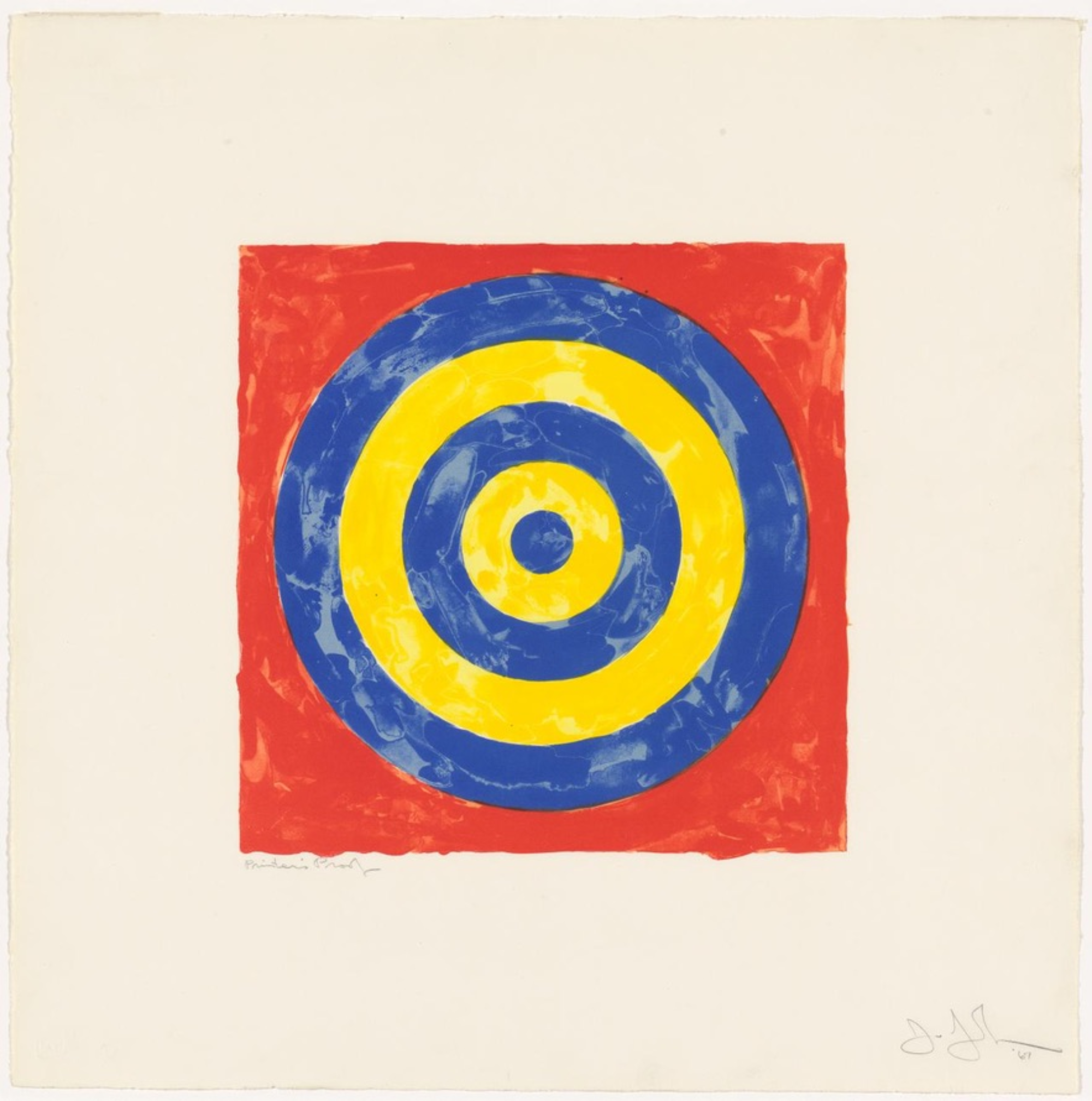
Fading
Fading can occur when pigments or inks are exposed to light. It may be especially noticeable in color prints, where certain hues deteriorate more readily than others. Some artist's have used fugative colors, meaning colors that are prone to fading and change over time regardless of preservation.
Uneven fading can change the artist’s intended color relationships and diminish the visual impact of the image. Once color has faded, the original appearance cannot be restored through conservation.
Discoloration and Staining
Paper can darken or develop stains through age, environmental exposure, or contact with unsuitable framing materials and adhesives.
Collectors may encounter mat stains, adhesive stains, localized staining, or general discoloration. The significance of a condition issue depends on its location, extent, and visibility, as well as the extent to which professional conservation can mitigate or improve the problem. Some issues can be successfully treated, while others may be irreversible or leave residual evidence even after conservation.
Foxing
Foxing appears as small, often brownish or reddish spots in paper. Its causes can vary and may involve environmental conditions and the composition of the paper.
The extent of foxing and its effect on the image and margins should be documented. Where appropriate, the paper should be professionally deacidified and stabilized to prevent further deterioration. However, foxing is irreversible, and conservation treatments may reduce its appearance but cannot reliably eliminate it entirely.
Trimming and Loss of Margins
A print's sheet is not necessarily the same size as its printed image. The surrounding paper may be an important part of the original presentation and can carry signatures, edition numbers, watermarks, or other identifying features.
A trimmed sheet may have lost some or all of its original margins. This can affect desirability and value, particularly since the work now no longer matches the artist’s intent or the relevant catalogue raisonné.
Collectors should always check refrence materials and other example of the impression to verify that an example has not been cut down or trimmed.
Creases, Tears, and Other Physical Damage
Creases, folds, tears, abrasions, pinholes, and handling marks can affect both appearance and structural integrity. Damage extending into the printed image may be particularly significant.
Restoration should also be considered. Professional conservation can sometimes stabilize or improve a work, but it does not necessarily eliminate the consequences of earlier damage. The nature and extent of any treatment should be disclosed.
Why a Written Condition Report Matters
Before purchasing a valuable print at auction, ask for a condition report that identifies the relevant observations rather than relying solely on broad descriptions such as “good condition.” Preferably, have the print insected and accessed by a certified paper conservator.
The report should distinguish between the condition of the printed image and that of the sheet, and should address significant defects, repairs, staining, fading, and alterations where applicable.
A condition report is most useful when read alongside the catalogue description and photographs. Direct examination is prudent as condition reports routinely leave out importatnt details.
At Joseph K. Levene Fine Art, Ltd., we consider condition an essential component of evaluating a work on paper. A collector should understand not only what the print depicts, but also what its physical state reveals about its preservation and history.
6. Paper, Watermarks, and the Printing Studio
Paper is an integral part of a print, not simply a surface on which an image happens to appear.
Artists and printers select paper for its texture, weight, absorbency, color, and behavior under pressure. These characteristics influence the finished impression. The same image printed on different papers can have a noticeably different appearance.
Watermarks can provide additional information about the paper used. A watermark may help distinguish a particular paper stock or support comparison with documented impressions, although it is not conclusive evidence of authenticity on its own.
Collectors should also pay attention to the printer and publisher.
A printer collaborates with the artist to produce the edition, bringing technical knowledge that can shape the final work. A publisher generally organizes or finances production and oversees the edition’s distribution.
Important postwar printmaking workshops include Universal Limited Art Editions (ULAE), Tyler Graphics, Gemini G.E.L., Crown Point Press, and Brand X.
These studios have played significant roles in the development of contemporary printmaking. Their involvement can help establish the context of a work and may be documented in catalogues raisonnés and other scholarly references.
Some studios use a blindstamp or other identifying mark. Such marks should be examined alongside the rest of the available evidence.
For example, Jasper Johns’s long relationship with ULAE is relevant to understanding many of his prints. The studio’s history and production records can provide useful context when evaluating a particular impression.
7. Provenance: Establishing a Work’s History
Provenance is the documented history of ownership of a work of art. Depending on the object, relevant records may include the original publisher, a gallery, a private collection, an auction transaction, or subsequent ownership.
A well-documented provenance can strengthen a collector’s understanding of a print and provide useful supporting evidence when assessing authenticity.
However, provenance must be interpreted carefully. A list of previous owners is not necessarily complete, and an attractive or prestigious ownership history does not by itself establish authenticity.
Collectors should distinguish between documented facts and unverified attributions. Supporting evidence may include invoices, gallery labels, correspondence, exhibition records, auction catalogues, and other records.
Provenance research is especially valuable when a work has an unusual edition notation, a disputed publication history, or characteristics that require comparison with other examples.
At Joseph K. Levene Fine Art, Ltd., provenance is an important part of art-market research. We encourage collectors to consider the available documentation alongside the physical work and the relevant catalogue raisonnés and scholarly literature.
8. How to Evaluate the Market Value of a Print
The price of a print reflects a combination of artistic significance, scarcity, condition, provenance, and market demand. No single factor reliably determines value.
Before purchasing, collectors should consider the following:
- The importance of the image. Some compositions are central to an artist’s reputation or are particularly recognizable. For example, Jasper Johns is closely associated with his Target imagery, while Andy Warhol is synonymous with his iconic Campbell’s Soup Cans. Others may be less frequently encountered or occupy a more specialized place in the artist’s production.
- The date and period. An artist’s printmaking career may span several decades, with changes in technique, subject matter, and artistic ambition. The significance of a particular work depends on the artist’s development and the context in which it was produced.
- Edition and availability. Edition size, proof status, and the number of comparable impressions available on the market can influence scarcity. Actual demand matters as much as nominal rarity.
- Condition. Two impressions of the same print may differ in condition. Comparisons should take those differences into account.
- Provenance and documentation. A documented history and consistency with established references can affect confidence in a purchase and its subsequent marketability.
- Comparable sales. Recent auction results and relevant private-market transactions can help establish a price range. Comparisons should be made between genuinely comparable works, accounting for condition, edition, date, and other material differences.
Auction prices also require careful interpretation. The published result may include a buyer’s premium, while a seller’s proceeds are affected by the commission and terms of the transaction. A reported auction price is not necessarily equivalent to the price at which a comparable work is available privately.
Published asking prices are useful indicators of market positioning, but an asking price is not necessarily proof that a work has sold at that level.
The objective should never be to find the lowest-priced example. It is to understand what is being offered, rarity and how it compares with other impressions.
9. Buying Prints by Andy Warhol, Jasper Johns, and Roy Lichtenstein
For collectors of postwar and contemporary art, prints by Andy Warhol, Jasper Johns, and Roy Lichtenstein illustrate the range of artistic approaches that printmaking can accommodate.
Andy Warhol
Warhol’s screenprints are closely associated with his exploration of advertising, celebrity, consumer products, and mass-produced imagery. His use of photographic sources and repeated images made the printing process integral to his artistic ideas.
When evaluating a Warhol print, collectors should pay close attention to the exact image and edition, color, printing details, condition, and documentation. Works that appear similar at first glance may differ in their publication histories, formats, or market significance.
Jasper Johns
Johns developed an extensive printmaking practice from 1960 onward, repeatedly returning to familiar symbols and transforming them through variations in scale, color, texture, and technique.
His prints demonstrate why it is important to consider more than subject matter. A Flag, Target, or Crosshatch composition may form part of a larger artistic investigation that becomes clearer when the print is studied in relation to other works from the same period.
Read The Importance of Condition in Jasper Johns Prints
Roy Lichtenstein
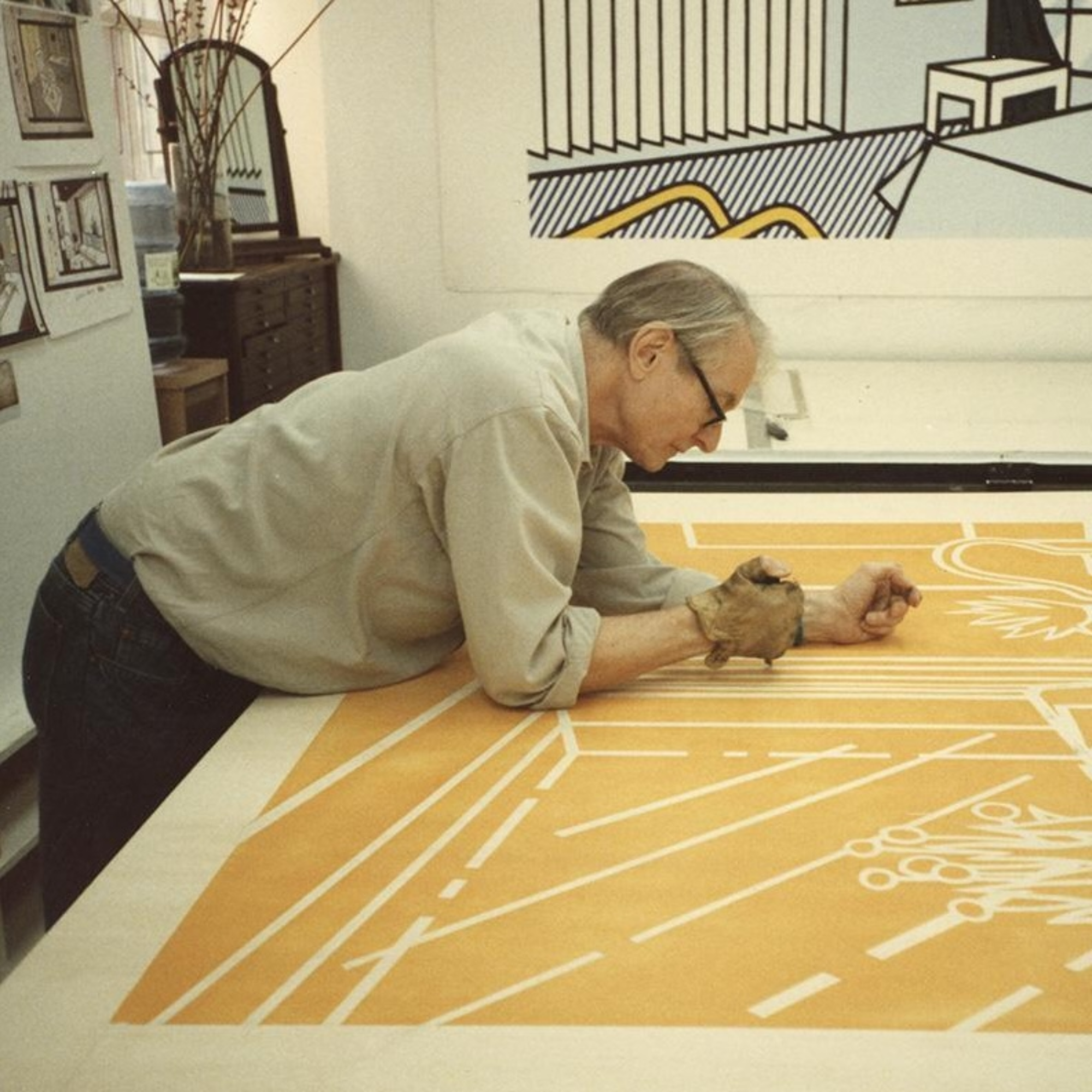
Lichtenstein adapted the visual language of commercial graphics and popular imagery into a distinctive body of paintings and prints. His works often depend on carefully controlled color, line, and graphic structure.
When assessing a Lichtenstein print, collectors should establish the precise edition and printing technique and examine the condition of the paper and image. As with other artists, the importance of the particular composition and the availability of comparable examples should inform the valuation.
These three artists demonstrate that prints can be collected not merely as accessible alternatives to paintings, but as significant components of an artist’s broader practice.
10. Framing, Display, and Long-Term Preservation
The care a print receives after acquisition can have a lasting effect on its condition.
Light exposure is a particular concern. Direct sunlight and strong artificial light can contribute to fading, especially in sensitive colors. Works on paper should be displayed away from excessive moisture and unstable environmental conditions.
Professional framing should use appropriate conservation materials. Acidic mounting boards and unsuitable adhesives can cause staining or other damage over time. Where appropriate, the framing design should allow the sheet to be supported without unnecessary stress.
Collectors should also avoid over matting or trimming a print simply to fit an existing frame. The sheet’s original dimensions and margins may be important to the work’s integrity and value.
For valuable or particularly sensitive works, consult a qualified paper conservator about suitable mounting, framing, storage, and display conditions.
Preservation is part of collecting responsibly. A print’s condition is not fixed at the moment of purchase; it can deteriorate if the work is handled or displayed improperly.
11. Building a Meaningful Print Collection
There is no single correct approach to collecting prints. Some collectors focus on a particular artist, while others build collections around a medium, historical period, subject, publisher, or workshop.
A focused collection can provide a deeper understanding of an artist’s development. For example, acquiring several prints by Jasper Johns from different periods can reveal how he revisited familiar motifs and developed increasingly complex visual structures.
Other collectors prefer to follow a particular technique, comparing how different artists approached lithography, screenprinting, or intaglio. Still others seek important images by several artists, using prints to explore the history of Pop Art or postwar American art.
Whatever the approach, a few principles remain useful:
- Research the individual work rather than relying exclusively on the artist’s name.
- Understand the edition, medium, and relevant publication details.
- Examine condition and request clarification of any significant defects or treatments.
- Consider provenance and the quality of the available documentation.
- Review genuinely comparable impressions.
- Buy works that remain compelling beyond their perceived investment potential.
Print collecting rewards careful observation and informed decision-making. The best acquisitions combine a strong visual connection with a clear understanding of the object itself.
Buying Fine Art Prints from Joseph K. Levene Fine Art, Ltd.
At Joseph K. Levene Fine Art, Ltd., we believe informed collecting begins with understanding the individual work. An artist’s reputation is important, but it is only one part of the evaluation. Edition details, printing technique, condition, provenance, and market context all contribute to a print’s significance and desirability.
Our research-oriented approach is informed by decades of experience buying, selling, and handling original limited-edition prints by important modern and contemporary artists. We apply careful standards to the evaluation of works on paper, with particular attention to authenticity, provenance, and condition.
Whether you are beginning a collection or seeking a specific impression to complement an established group of works, we encourage you to look beyond the image and examine the evidence that distinguishes one example from another.
Explore Joseph K. Levene Fine Art, Ltd. to view our available works. For inquiries about a particular print, its condition, provenance, or edition details, contact us at jklfa@jklfa.com.
Further Reading
- Buying Jasper Johns Prints: A Collector’s Guide
- Sotheby’s — Print Collecting 101
- Sotheby’s — The Complete Collector’s Guide to Prints
- Christie’s — Collecting Guide: Key Things to Know About Prints and Multiples
- Jasper Johns — The Prints of Jasper Johns 1960–2021: A Catalogue Raisonné
- Andy Warhol — Andy Warhol Prints: A Catalogue Raisonné 1962–1987
- David Hockney — David Hockney Foundation Online Print Catalogue
- Frank Stella — Frank Stella: Prints: A Catalogue Raisonné
- Roy Lichtenstein — Roy Lichtenstein Foundation Online Catalogue Raisonné
- Richard Diebenkorn — Richard Diebenkorn: The Catalogue Raisonné of Prints
- Sam Francis — Sam Francis Online Catalogue Raisonné Project
- Keith Haring — Official Art Database and Research Archive
- Ellsworth Kelly — The Prints of Ellsworth Kelly: A Catalogue Raisonné, 1949–1985
- Ed Ruscha — Catalogue Raisonné of the Books, Prints, and Photographic Editions, 1960–2022
- Cy Twombly — Catalogue Raisonné of the Printed Graphic Work
- Donald Judd — Prints and Works in Editions
- Tom Wesselmann — Digital Catalogue Raisonné and Prints and Multiples